
What to Expect: A New Construction Timeline in Northeast Texas
By Shannon Miles, GRI, CLHMS · Last updated June 9, 2026
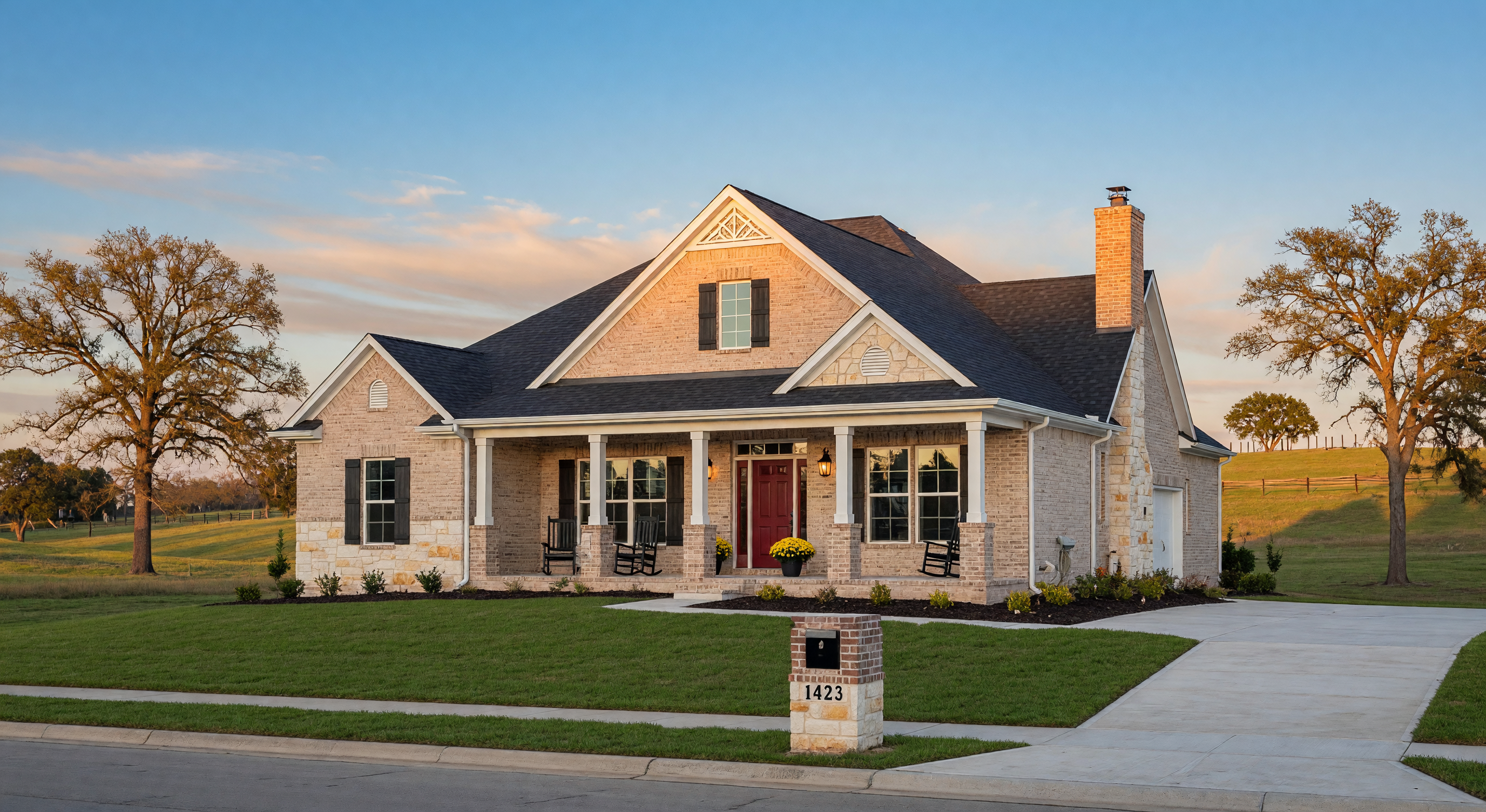
One of the most common questions we hear from new construction buyers is straightforward: how long is this going to take? The honest answer is that it depends on several factors, but a typical new construction timeline in Northeast Texas runs four to eight months from contract signing to closing day.
Here is a realistic breakdown of what to expect at each stage, so you can plan your move, your financing, and your life around a construction schedule.
Pre-contract (1 to 4 weeks)
Before you sign anything, there is the selection process. This includes touring communities, evaluating floor plans, choosing your lot, meeting with the builder's sales team, and getting your financing in order. If you are pre-approved with a lender before you start this process, you can move through it faster.
This is also when your buyer's agent reviews the builder contract, negotiates terms, and ensures your interests are represented before you commit. Do not rush this phase. The time you spend here saves you from problems later.
Contract to ground-breaking (2 to 6 weeks)
Once you sign the contract and submit your deposit, the builder enters a preparation phase. This includes site preparation, permit acquisition, and scheduling your build into their production calendar. In busy seasons, spring and summer in Northeast Texas, this queue can take longer.
Your builder contract should include a target start date and a commitment to notify you of any significant delays. If it does not, your buyer's agent should negotiate that language in before you sign.
Foundation (2 to 3 weeks)
The foundation phase includes grading, plumbing rough-in, and the concrete pour. In Northeast Texas, where the soil tends toward expansive clay, foundation work requires careful attention. This is one of the reasons we recommend a pre-slab inspection, even on a new build.
Weather can affect this stage significantly. Heavy rain delays grading. Extreme heat affects curing. The builder should communicate any weather-related delays promptly.
Framing (3 to 5 weeks)
Framing is the most visually dramatic phase. Your house goes from a concrete slab to a recognizable structure in a matter of weeks. The framing stage includes the roof structure, wall framing, and sheathing.
This is the right time for your pre-drywall inspection. An independent inspector can verify structural framing, check for proper load-bearing configurations, and identify any issues before the walls are closed up. Once drywall goes in, these elements are hidden.
Mechanical rough-in (2 to 3 weeks)
After framing, the builder installs electrical wiring, plumbing lines, and HVAC ductwork inside the walls. This phase happens quickly but is critical to the long-term functionality of your home. An independent pre-drywall inspection should cover this stage as well.
Insulation and drywall (2 to 3 weeks)
Once mechanicals pass inspection, insulation goes in followed by drywall. This is another milestone that significantly changes the look of your home. From this point forward, the interior begins to resemble a livable space.
Interior finishes (4 to 6 weeks)
This is the longest single phase and the one buyers notice most. Interior finishes include flooring, cabinetry, countertops, trim work, painting, fixture installation, and appliance placement. If you have selected upgrades at the builder's design center, this is when they are installed.
Interior finishes are also where most delays occur. Supply chain issues, subcontractor scheduling, and material availability can all affect the timeline. Your buyer's agent monitors progress and keeps the builder accountable to the contracted schedule.
Final inspection and punch list (1 to 2 weeks)
Before closing, your home undergoes a final municipal inspection and a builder quality check. We attend your final walkthrough with a detailed punch-list approach, identifying anything that does not meet the contracted specifications. Common items include paint touch-ups, trim adjustments, and minor mechanical calibration.
Closing day
Closing on new construction follows the same legal process as a resale transaction, but with additional documentation related to warranties, builder specifications, and any outstanding punch list items. Once you sign, you get the keys.
What can delay the process
The most common delay factors in Northeast Texas include:
Weather: Northeast Texas experiences significant weather variation. Spring storms, summer heat, and occasional winter freezes all affect outdoor construction phases.
Material supply: While supply chains have improved, certain materials like windows, specialized fixtures, and specific appliance models can still cause delays if not ordered early.
Subcontractor availability: Builders rely on subcontractors for framing, electrical, plumbing, and finishing work. A busy market can stretch these timelines.
Change orders: If you make changes to your selections or floor plan after construction has started, expect the timeline to shift accordingly.
Plan ahead, not just for the build
A realistic understanding of the construction timeline helps you plan the logistics of your move: when to give notice on your current lease, when to arrange your move, and when to set up utilities at the new address. We help you coordinate these details so nothing falls through the cracks.
If you are considering a new construction purchase in Paris, TX or anywhere in Northeast Texas, we can walk you through the specific timeline for your community and builder. Every build is different, but with the right preparation, you will know what to expect at every stage.