
What to Expect During a New Construction Walkthrough
By Shannon Miles, GRI, CLHMS · Last updated June 9, 2026
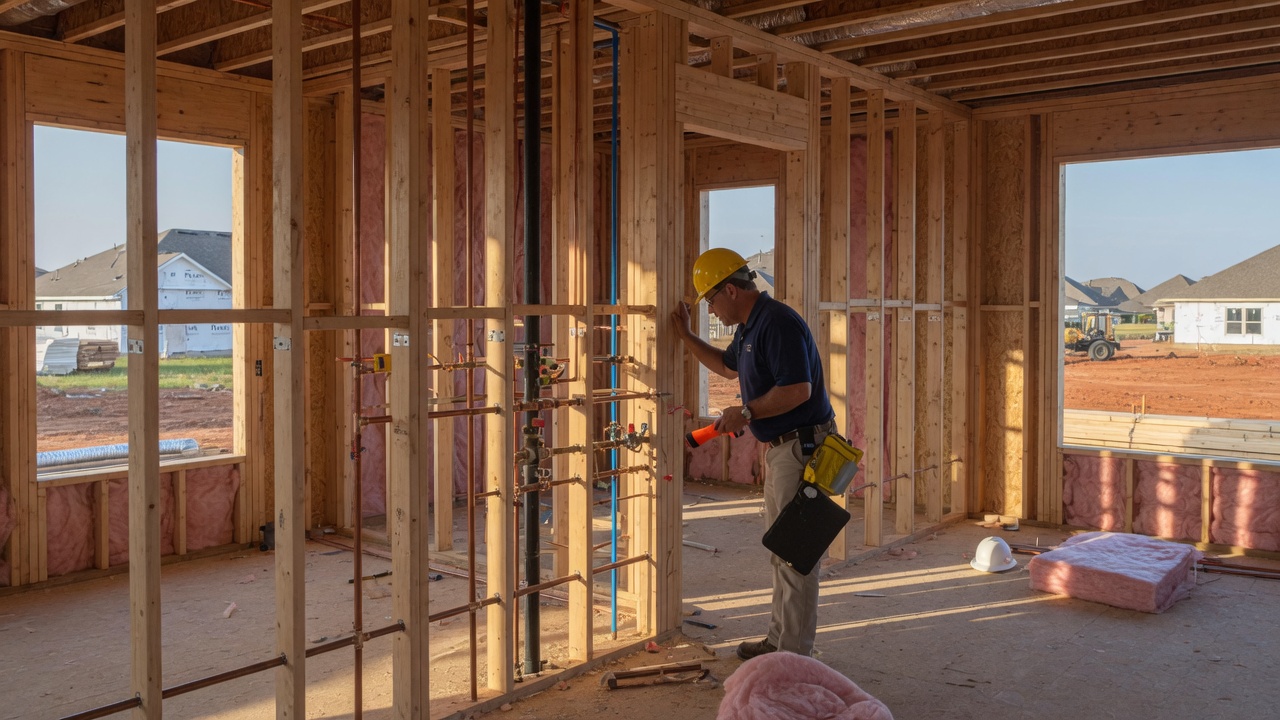
A new construction walkthrough is not a formality. It is the single most important window you have to catch problems before they are hidden behind drywall, paint, and flooring. Most builders will schedule walkthroughs at specific stages of construction, but they will not always tell you what to look for or bring anyone to the site who represents your interests.
In Northeast Texas, where new construction is growing rapidly across Lamar, Grayson, Collin, and surrounding counties, understanding the walkthrough process can save you thousands of dollars and months of frustration after closing. Here is what to expect at each stage and why every one of them matters.
The framing walkthrough
The framing walkthrough happens after the structural frame of the home is up but before insulation or drywall goes in. This is your first chance to see the bones of the house. The framing stage reveals the actual shape of each room, the placement of windows and doors, and the structural skeleton that everything else is built on.
What to check during the framing walkthrough:
Framing square and plumb. Walls should be straight, corners should be square, and door and window openings should be level. If a wall is out of plumb by more than a quarter inch, it can cause problems with cabinetry installation, door alignment, and flooring transitions later. An independent inspector measures this with a level and square, not just a visual check.
Load-bearing walls and beam placement. The builder's plans specify which walls carry structural loads. Verify that what was framed matches the engineered plans. Misplaced openings or missing headers are mistakes that compromise the structural integrity of the home.
Window and door sizing. Confirm that the rough openings match the window and door schedule in your contract. Builders occasionally substitute sizes or placements without notifying the buyer. This is easier to verify now than after drywall is installed.
The pre-drywall walkthrough
The pre-drywall walkthrough is arguably the most critical inspection in the entire build. Once drywall goes up, every wire, pipe, and duct inside the walls becomes invisible. This is your last clear look at the mechanical systems of your home.
What to check during the pre-drywall walkthrough:
Plumbing rough-in. Verify that water supply lines, drain lines, and vent pipes are in the correct locations and properly secured. Check that shut-off valves are accessible. In Northeast Texas, where hard water can affect plumbing longevity, proper material selection matters. Ask about pipe materials and confirm they match the specifications in your contract.
Electrical wiring. Confirm that outlet and switch locations match the electrical plan you approved at the builder's design center. Check that wire gauges are appropriate for the circuits they serve. Look for exposed wiring, improperly secured cables, or junction boxes that are not covered. Every wire should be stapled and routed according to code.
HVAC ductwork. Verify that supply and return vents are in the locations specified on your plans. Check duct connections for gaps or loose fittings. Improperly sealed ductwork can reduce heating and cooling efficiency by 20 to 30 percent, which directly impacts your monthly energy bills in a region where summer temperatures regularly exceed 100 degrees.
Insulation. Check that insulation has been installed in all exterior walls, the attic, and any interior walls that border unconditioned spaces. In Northeast Texas, proper insulation is essential for energy efficiency. Verify the R-value matches the specifications in your contract. Common shortcuts include missing insulation around window frames, incomplete attic coverage, and compression in wall cavities that reduces effectiveness.
The final walkthrough
The final walkthrough happens after construction is complete and before closing. This is your opportunity to verify that everything in the home meets the specifications of your builder contract and that all items on any previous punch list have been addressed.
What to check during the final walkthrough:
All contracted features are present. Walk through every room and verify that the flooring, cabinetry, countertops, fixtures, and appliances match your selections. Builders sometimes substitute materials when original selections are backordered. If something was substituted, it should be documented and, in many cases, result in a credit to you.
Functionality. Open and close every door and window. Run every faucet. Flush every toilet. Test every light switch and outlet. Run the garbage disposal. Test the garage door. Turn on the HVAC system and check both heating and cooling. In Northeast Texas, where summer heat is intense, a properly functioning cooling system is not optional. It should reach the temperature you set within a reasonable time.
Paint, trim, and finish quality. Look for paint drips, uneven seams, gaps in baseboards, scratched surfaces, and inconsistent staining. These are cosmetic issues, but they are also indicators of the builder's attention to detail. Document everything on a written punch list and submit it to the builder before closing.
Exterior inspection. Walk the perimeter of the home. Check grading around the foundation. In Northeast Texas, where expansive clay soil is common, proper grading is essential to prevent water pooling near the foundation. Verify that driveways, walkways, and landscaping match the builder's site plan.
Why a buyer's agent at walkthroughs protects you
Here is what most buyers do not realize: the builder's sales representative may attend your walkthrough, but they are not there to find problems for you. Their loyalty is to the builder. A buyer's agent, on the other hand, is there specifically to identify issues, document them, and ensure the builder addresses them before you take ownership.
At the Shannon Miles Group, we attend every walkthrough with our clients. We bring a systematic approach, checklist by checklist, and we do not let the builder rush you through the process. We have seen builders skip insulation in interior closets, install the wrong countertop material, leave duct connections loose behind walls, and forget to install entire rows of outlets. Without representation, many of these issues go unnoticed until the warranty expires and the repair cost falls on you.
Common builder mistakes buyers miss without representation
Based on our experience with new construction across Northeast Texas, the most frequently missed issues include:
Missing or compressed insulation around window and door frames, which creates cold spots and reduces energy efficiency. Improperly sealed HVAC connections that waste conditioned air inside wall cavities. Framing that is out of square by small margins that cause cabinet doors to hang unevenly and flooring to gap. Substituted materials that do not match the specifications in the contract. Grading issues that direct water toward the foundation instead of away from it. Missing paint touch-ups on nail pops and seam lines that are visible in raking light.
None of these are catastrophic on their own. But collectively, they represent the difference between a home that was truly finished and one that was simply completed. Having a buyer's agent at your walkthroughs ensures someone is watching for the details that the builder's team is not incentivized to catch.
Ready to walk through with confidence?
Whether you are building at Forestbrook Estates in Paris, TX, or any new construction community across Northeast Texas, we attend your walkthroughs with a detailed, protective approach. Our job is to make sure the home you close on is the home you contracted for, down to the last outlet and the last line of insulation.
Contact Shannon Miles Group or call (469) 588-8395 to talk through your new construction walkthrough needs. No pressure. No obligation. Just straight answers from a team that does this every day.
Frequently Asked Questions About New Construction Walkthroughs
How many walkthroughs should I expect during new construction?
Most builders in Northeast Texas schedule two or three walkthroughs during the construction process: a framing walkthrough after the structural frame is complete, a pre-drywall walkthrough before the walls are closed up, and a final walkthrough after construction is finished. We recommend attending all of them, and we recommend bringing an independent inspector to at least the pre-drywall and final stages.
Do I need to hire an independent inspector for new construction walkthroughs?
Yes. The builder's quality check is not a substitute for an independent inspection. A qualified independent inspector works for you, not the builder, and will identify issues that the builder's team may overlook or deprioritize. At a minimum, we recommend an independent inspection at the pre-drywall stage and the final walkthrough. Some buyers also opt for a pre-slab inspection to verify foundation preparation before concrete is poured.
What happens if the builder misses items on the punch list?
Any items the builder has not addressed should be documented in writing and submitted before closing. In most builder contracts, outstanding punch list items must be completed within a specified timeframe, either before closing or shortly after. If the builder is unresponsive, your buyer's agent can escalate the issue through formal channels. This is one of the reasons having representation matters. Without an agent, buyers often lack the leverage and documentation to hold the builder accountable.
Can I bring my own inspector to a new construction walkthrough?
Absolutely. You have every right to bring an independent inspector to any stage of the construction process. In fact, we strongly recommend it. The builder may not volunteer this option, but it is your home and your investment. We coordinate independent inspections for our clients at pre-drywall, pre-slab, and final walkthrough to ensure nothing is missed at any stage.