
How to Choose the Right Lot in a New Development
By Shannon Miles, GRI, CLHMS · Last updated June 9, 2026
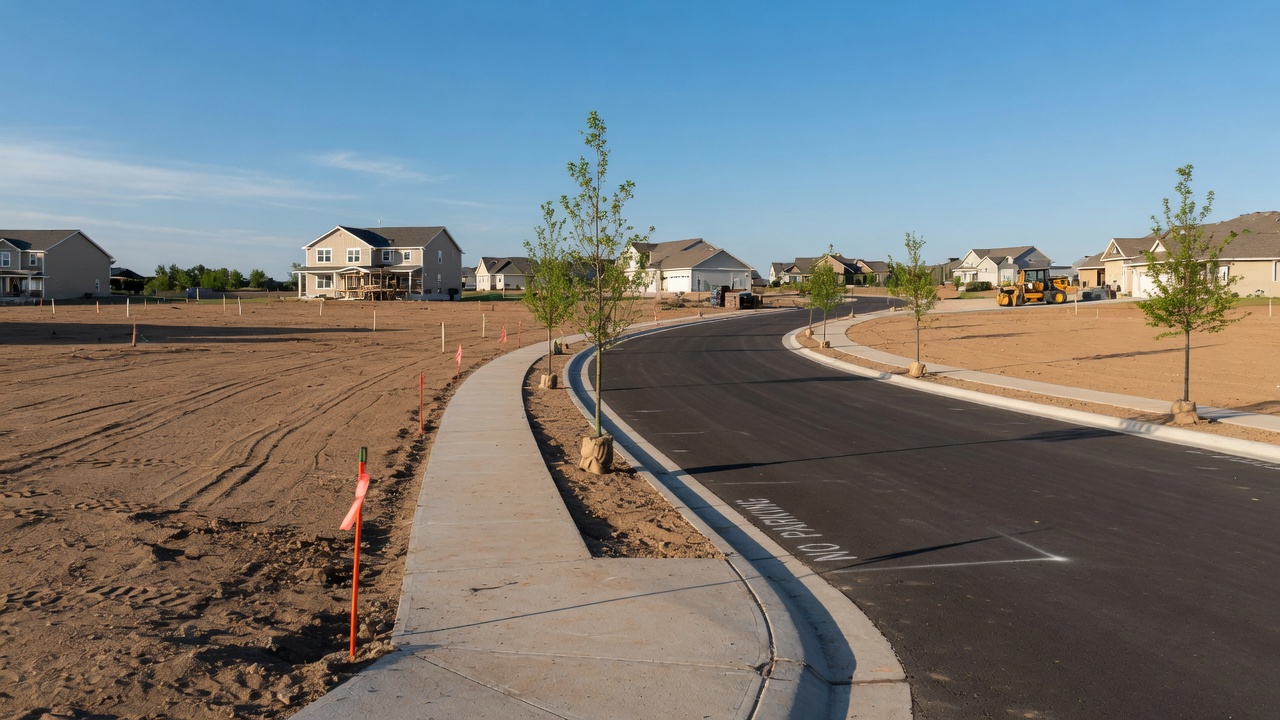
When buyers think about new construction, they focus on floor plans, finishes, and builder reputation. Those decisions matter. But there is another decision that quietly shapes your entire experience of living in your new home, and most buyers give it far too little attention: the lot itself.
The lot determines your orientation to the sun, your distance from the road, your relationship with your neighbors, and the long-term comfort of your daily life. A beautiful floor plan on the wrong lot is still the wrong home. Here is how to make sure you choose wisely.
Why lot selection matters more than you think
In a new development, lots are released in phases. The best positions often go first, and builders do not typically hold them for buyers who are still deciding. Once you sign a contract, your lot is locked in. You cannot move your home six feet to the left after the foundation is poured.
Lot selection also affects resale value. A well-positioned lot in a desirable neighborhood will hold its value and attract future buyers. A lot squeezed between two large homes with no privacy and a noisy road frontage will be a harder sell when it is time to move on.
Orientation: sun, views, and daily living
The orientation of your lot determines where the sun rises and sets relative to your home. In Northeast Texas, where summers are hot and long, a west-facing backyard means intense afternoon sun that can drive up cooling costs and make outdoor spaces uncomfortable for months. A north-facing backyard stays shaded and cool but may not get the morning light you want in your kitchen.
Visit the lot at different times of day if possible. Ask the builder for a site plan that shows the home's placement on the lot. Pay attention to where your primary living spaces and outdoor areas will face. A few minutes of planning here saves years of daily frustration.
Lot size, shape, and usable space
A lot can look large on paper and feel small in person. The total square footage includes areas that may not be usable. A sloped backyard, a drainage easement, or a utility easement cutting through the middle of the property can reduce your functional outdoor space significantly. Always ask for the full plat map, review the easements, and walk the lot to see what you are actually getting.
In master-planned communities like Forestbrook Estates in Paris, lot sizes are designed to work with specific floor plans. But not all lots within a phase are created equal. Some offer wider lots with more side yard space. Others are deeper with bigger backyards. The right choice depends on how you plan to use the space.
Slope, drainage, and foundation considerations
A lot with a noticeable slope may require additional grading, a retaining wall, or a more complex foundation design. All of these add cost. More importantly, a poorly draining lot can lead to standing water near your foundation, which is one of the most common sources of long-term structural issues in new homes.
Ask the builder how the lot will be graded during construction. Ask where the water goes when it rains. If the lot sits lower than the surrounding properties or at the bottom of a gentle hill, water will find its way there. A buyer's agent can help you evaluate drainage patterns before you commit.
Setbacks, road proximity, and neighbor proximity
The distance between your home and the road affects noise, privacy, and safety. Homes placed close to busy streets or intersection corners lose a significant amount of the quiet, residential feel that most buyers expect in a new development. Lots at the end of cul-de-sacs typically enjoy less through traffic and more front yard space.
Side setbacks matter too. If the distance between your home and your neighbor's home is minimal, you will hear everything and feel the proximity daily. Ask about the required setbacks in the development and compare the actual spacing between structures on the lots you are considering.
Questions to ask the builder about the lot
Before you sign a contract, ask the builder these questions directly:
Can I walk the specific lot I am considering? What is the total usable area after easements and setbacks? How will the lot be graded during construction, and where does drainage flow? Are there any utility easements that affect buildable area? What is the lot premium, and what does it include? What direction will the primary living spaces face once the home is positioned? Are there any future phases planned that could affect my privacy or views?
A builder who is confident in their product will answer these questions openly. If they deflect or rush you past the lot selection process, that is a signal to slow down and bring in your own representation.
How a buyer's agent helps with lot selection
A buyer's agent does not work for the builder. They work for you. That distinction matters during lot selection because your agent has no incentive to steer you toward a lot that benefits the builder's phase schedule or profit margin.
At the Shannon Miles Group, we walk every lot with our buyers. We review the site plan, evaluate orientation and drainage, compare lot premiums against actual value, and help you negotiate when the numbers do not add up. We also know which builders in Northeast Texas are flexible on lot pricing and which ones hold firm. That local knowledge protects your investment.
Northeast Texas specific considerations
If you are buying in a rural or semi-rural area of Northeast Texas, lot selection comes with additional factors that do not apply in a standard suburban subdivision.
Septic vs. sewer: Many rural lots in Lamar, Fannin, and Red River Counties require a septic system instead of a connection to a municipal sewer line. The cost of a septic system, the soil conditions required for approval, and the maintenance responsibilities all need to be understood before you buy the lot.
Well water vs. municipal water: Some rural lots rely on a private well for water supply. The depth of the well, the water quality, and the ongoing maintenance costs are all factors that affect your total cost of homeownership.
Utility access: Not every rural lot has access to natural gas, municipal water, or high-speed internet. Confirm what utilities are available at the lot line before you commit. The cost of extending utilities to a remote lot can be substantial.
Acreage and land use: If you are buying acreage, think about how you plan to use the land. Do you want space for a workshop, horses, or outbuildings? Are there deed restrictions or HOA rules that limit land use? Understanding the full picture of what you can and cannot do with your property is essential before you sign.
The bottom line
Lot selection is not a footnote in the new construction process. It is one of the first and most important decisions you will make. Take the time to evaluate your options, ask the right questions, and work with a team that knows what to look for.
If you are exploring new construction in Paris, TX or anywhere in Northeast Texas, the Shannon Miles Group is ready to help you find the right lot and the right home. No pressure. No obligation. Just clear, honest guidance from a team that does this every day.
Ready to choose your lot?
Whether you are looking at Forestbrook Estates or another new construction community in Northeast Texas, we will walk the lots with you, answer every question, and make sure you are making a decision you feel good about.
Contact Shannon Miles GroupFrequently Asked Questions About Lot Selection
Do I have to pay a premium to choose my lot in a new development?
Many builders charge a lot premium for desirable positions, such as corner lots, lots with views, or larger homesites. The amount varies by community and location. In Northeast Texas, lot premiums in master-planned communities can range from a few thousand dollars to $15,000 or more depending on the lot size, placement, and features. A buyer's agent can help you understand whether a lot premium is justified and negotiate where possible.
What is the difference between a cul-de-sac lot and a corner lot in a new development?
A cul-de-sac lot sits at the end of a dead-end street, typically offering less traffic, more privacy, and a larger front yard due to the rounded layout. A corner lot sits at the intersection of two streets, which often means a larger total lot size but more sidewalk frontage and potentially more visibility from neighbors. Both can carry premiums, but they serve different priorities. Cul-de-sac lots appeal to families with children, while corner lots appeal to buyers who want more space and a detached feel from adjacent homes.
Can I walk the lot before committing to a new construction purchase?
Yes, and you should always ask to walk the lot before signing a purchase agreement. Most builders will allow you to tour the community, view the specific lot, and review the plat map before you commit. This is one of the most important steps in the buying process because a lot looks very different on paper than it does in person. Slope, drainage patterns, neighboring structures, and sun exposure are all easier to evaluate when you are standing on the property.
How does lot selection affect the cost of building a new home?
Lot selection affects cost in several ways. Larger lots and lots with premium positioning typically carry higher base prices or lot premiums. On acreage or rural lots, you may also face additional costs for septic system installation, well drilling, or utility extensions that would not apply on a standard subdivision lot. The orientation and slope of the lot can also affect foundation costs and drainage requirements. A buyer's agent helps you understand the full financial picture of a lot before you commit, not just the sticker price.